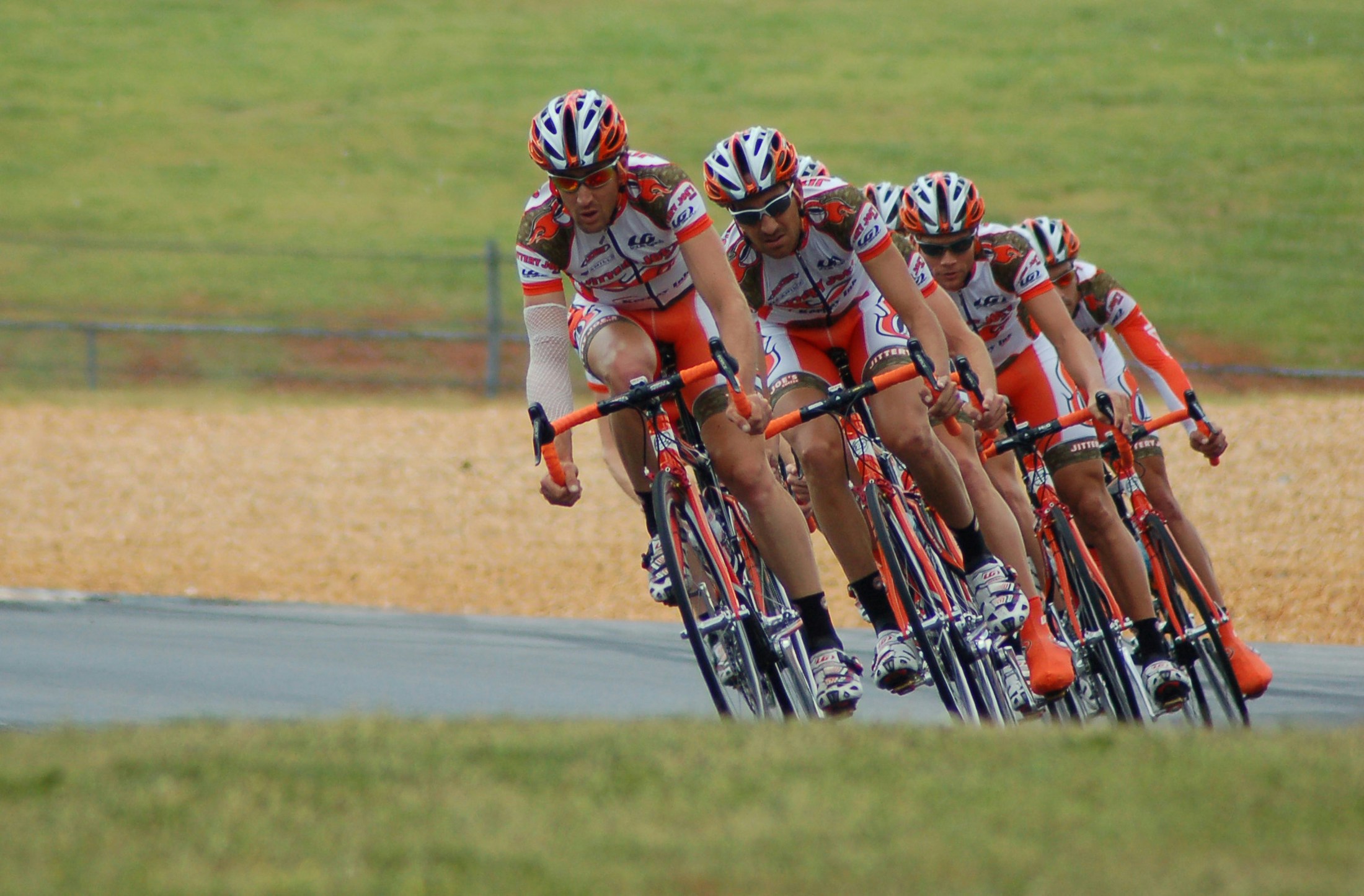
cycling-women

Women's cycling and performance

Historically, sports performance has focused on the male sex, so many times women train the same as men. But in the women's cycling, Is it correct to apply the same methods or should we adjust the training to the biological and hormonal differences between the sexes? In this article we reveal it.

Physical differences between men and women in endurance sports

In cyclical sports, how to run, swim or ride a bike, performance is measured by speed, strength and endurance. Men tend to have better marks, but in ultra resistance, Women have advantages that can balance these differences:

  • Less fatigue during prolonged efforts
  • Greater proportion of slow muscle fibers
  • More consistent running pace
  • Better use of fats as fuel

Among the negative factors are: lower VO2 max, higher percentage of body fat, lower muscle mass and lower testosterone, what influences recovery.

For women's cycling, This means that the workouts can be very similar to those for men., but adjusting loads and volumes to each athlete.

The menstrual cycle and its impact on women's cycling performance

The most determining factor that differentiates women from men in training is the menstrual cycle., which lasts approximately 28 days and produces significant hormonal changes. Adapting microcycles and mesocycles to this cycle can improve performance and recovery.

Phases of the menstrual cycle

  • Menstruation: bleeding phase (end of cycle)
  • Follicular phase (days 0 to 14): increased estrogen, reaching the peak at the end of this phase
  • Ovulation (days 13 to 15): maximum concentration of pituitary hormones, egg release
  • Luteal phase (days 14 to 28): progesterone production, decreasing at the end and giving rise to menstruation

Physical performance during the menstrual cycle

In general, in women's cycling and endurance sports:

  • Strength and speed decrease during menstruation and luteal phase
  • Ligamentous mobility and distensibility increase
  • The follicular phase is the best for strength and high intensity training
  • Anaerobic exercises show little variation, but recovery is more efficient in the follicular phase

Recent studies (Pallavi et al., 2017) confirm that strength decreases and fatigue increases during menstrual phases, ovulatory and luteal. Estradiol protects against muscle damage, so eccentric exercises should be concentrated at the end of the follicular phase, taking advantage of the hormonal peak.

Practical settings for women's cycling training

To correctly structure training:

  • Prioritize strength and intensive work during the follicular phase
  • Adjust load based on lower testosterone and muscle mass compared to men
  • Include specific pelvic floor exercises to prevent urinary incontinence, common in high impact sports

Women's cycling requires specific planning. Adjust workouts to the menstrual cycle, combine strength and endurance, and taking recovery into account allows cyclists to perform better and reduce the risk of injury or discomfort. Listening to the body and periodizing intelligently is key to optimizing performance in all phases of the cycle.