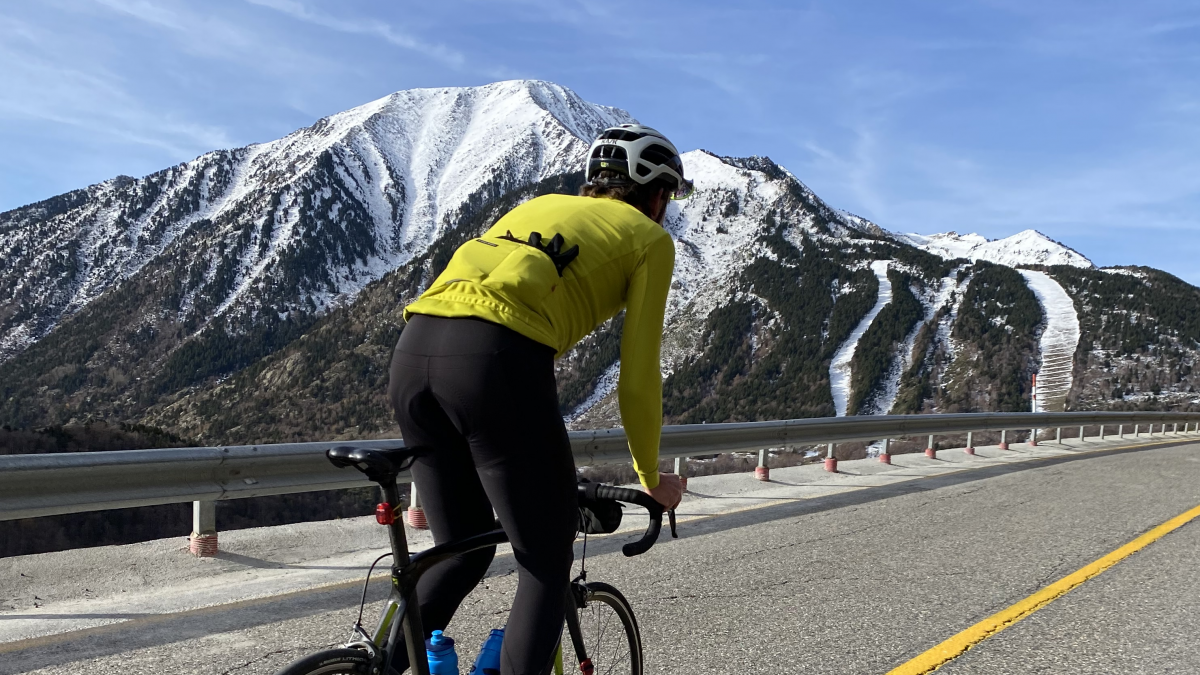
In this new blog post we will talk about a concept that we believe is decisive for cycling performance on the road., whether it is competition (I understand all the possible categories, from cadet to professionals) or cycling tests. In this case we will talk about the fatigue resistance.
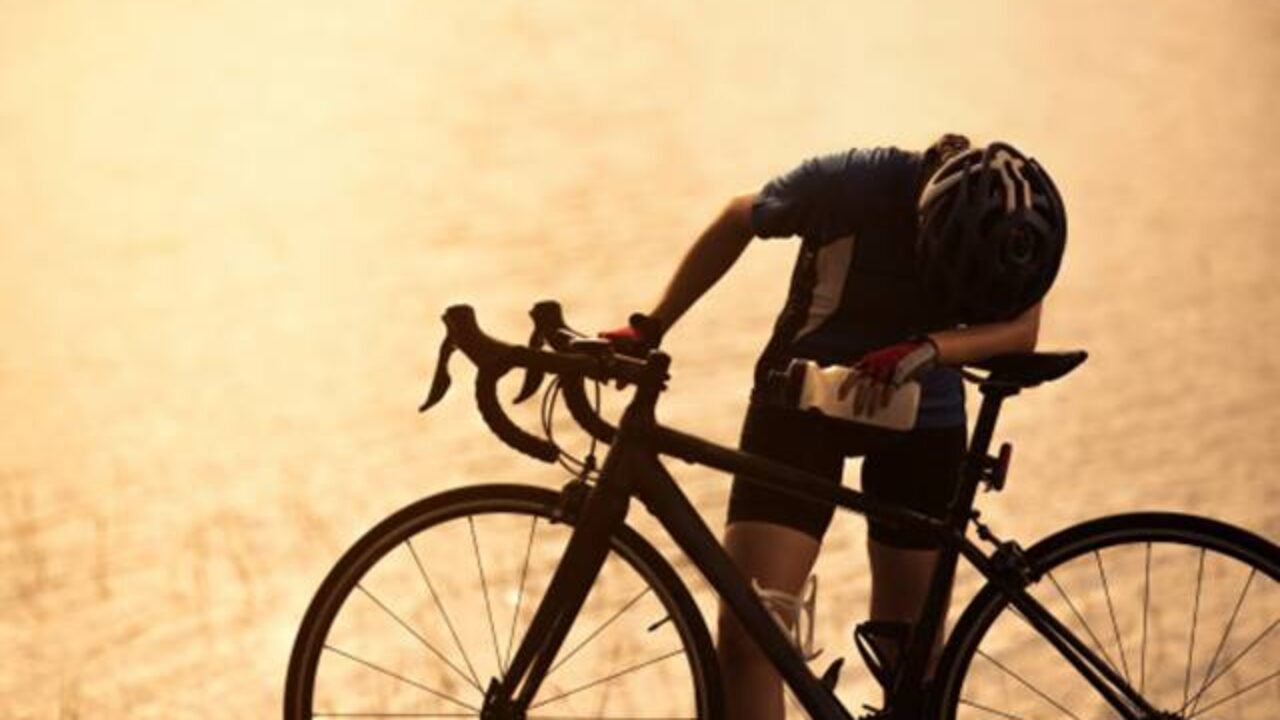
First of all we will define the concept of fatigue resistance. Understanding how the ability of an athlete to overcome the fatigue produced by the competition and/or training proposed by their coach.
We can measure the concept of fatigue in Kilojoules (KJ) knowing that one Joule = Watt x second. With this we can say that if a cyclist, we can determine what will have been consumed 72000 Joules o 72kj (180» x 400w).
Therefore, taking into account the energy consumption measured by the potentiometers that we use in training, We can calculate how many KJ we want to reach to start working on this concept.. What is clear is that the athlete must try to maintain intensities that can be obtained at the beginning of the training and replicate them at the end of the training or the competition (after 2500kj for example)..
This concept has been around for some time now where we can find different articles scientists or the app itself TrainingPeaks where we already talk about the concept of fatigue resistance in professional cycling and the values that a PRO category athlete can obtain.
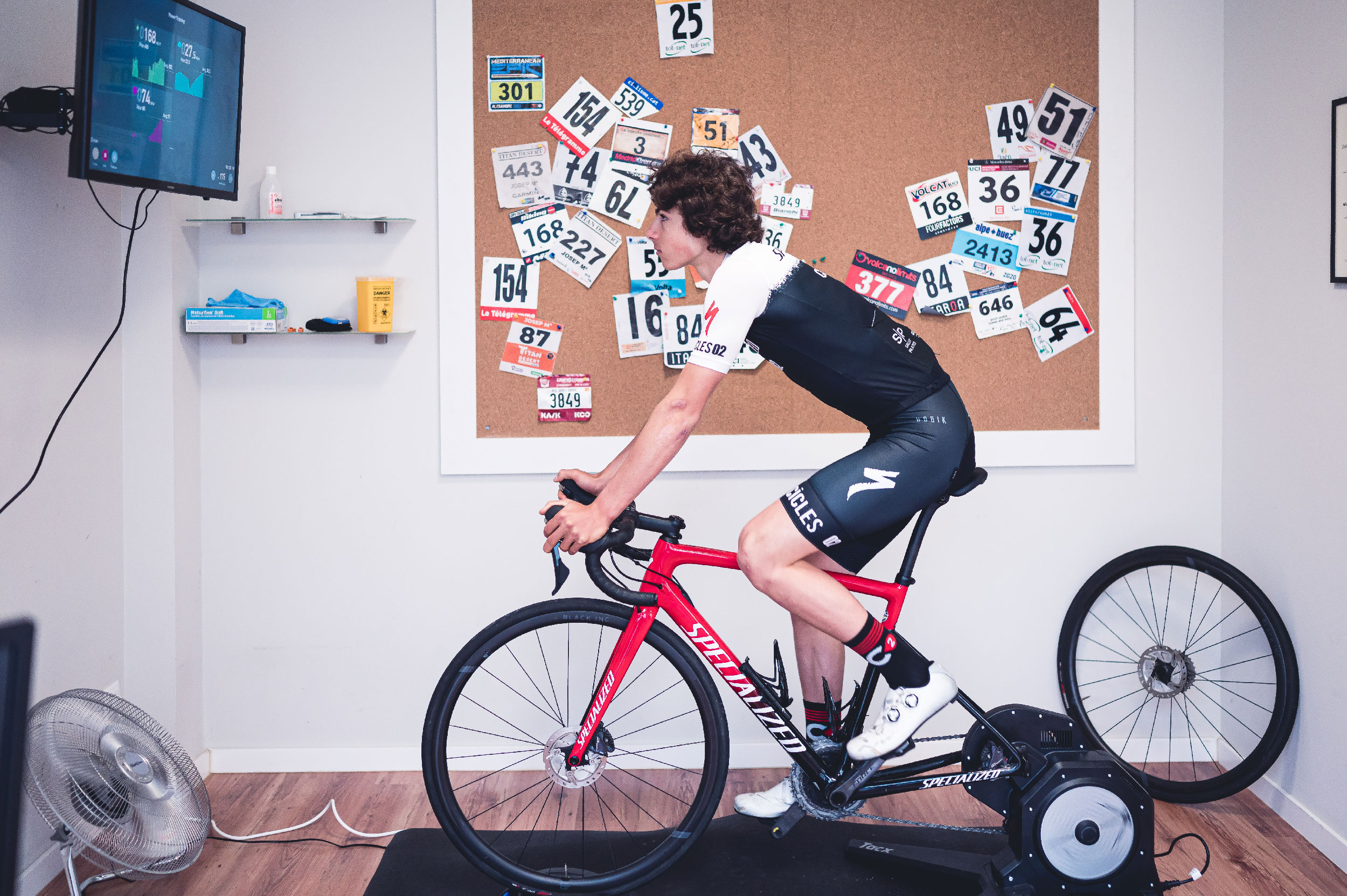
Through software like WKO5, we can get the power curves after X Kj consumed, comparing different time segments where the improvement or loss of the athlete's power is. Where it is necessary to be clear that each sporting category will have its consumption of Kj in its competition tests, which will often be different between the athletes themselves (the more trained they are)., lower consumption, The less preparation, the greater the consumption., The greater the body weight, the more power production and greater energy expenditure or the other way around...).
In order to work with precision on this concept, first of all we must analyze the test where our athlete will compete and see the average consumption of each of them., looking for the moment we are interested in working. For example, sub23 races in Spain, most of them are resolved around the 2800 – 3200kj depending on the athlete level as we have said before, ending the test at 3200-3500kj or more. Therefore, We will have to introduce specific tasks to the athlete when they already have these consumed values., doing, but, a previous progression with lower Kj consumed so far.
The work will be aimed at improving, but also apart from the preparation there is an important genetic component, often determined by the main typology of muscle fibers, the quality of these and the location of the two thresholds (VT1, VT2), determining elements in this type of resistance.
 Skip to the content